
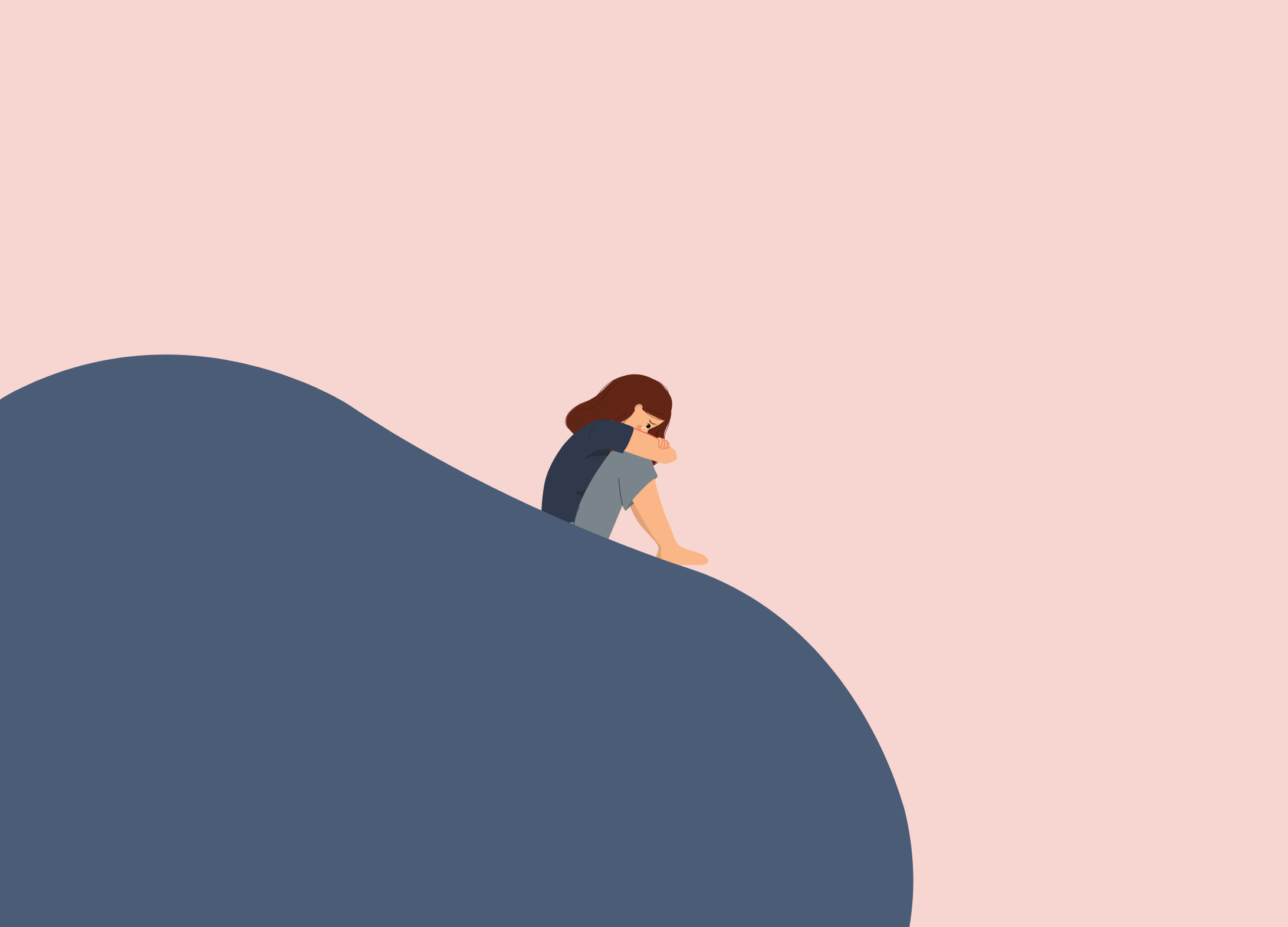
It was so hard to truly accept the reality of my infertility. In a way, I couldn’t accept it. How could I accept this horrible reality?! For months it felt impossible to truly come to grips with the fact that we could not have children. I remember I filled a journal, line after line with the words “I cannot get pregnant.”
It literally would not get into my head.
Then came the years of grief, the failed treatments and the wicked cycle of hope and loss. Like a roller coaster from hell. Like an actual roller coaster from hell.
After all the pain and trauma, I could not imagine ever getting pregnant. Everything had flip-flopped. I once couldn’t imagine not getting pregnant, now I couldn’t imagine ever getting pregnant.
Throughout all the downturns I remember thinking, if I could just get pregnant, or have a baby in my life all this would be better. The whole nightmare would be over. If I had a baby to love, and to hold, I would be able to move on from this season. I would be free.
Well one day a baby did come into my life through adoption. We had 9 days to prepare to be parents. It was not planned and it was sort of an emergency placement situation.
On that day, I thought… it’s over. My infertility pain and trauma are gone. However, the reality is that they were not gone, just merely stuffed into a closet. I crammed all my pain and years of grief into the closet under the stairs and locked that crap tight. 🔒
This did not go well. This article is about what happened and how you can avoid this pain.
Why a baby doesn’t make the trauma magically go away
For many, not all but many, infertility is a season of your life. It’s not 3 months, or even half a year. For the people we know who have gone through infertility it’s like, “the first part of our marriage.” Or possibly, “my early 30’s.” It’s never, “That one February.”
Going through something so traumatic for that long, leaves a mark. Grief leaves a mark. Just like a deep cut that leaves a scar. Infertility can leave an emotional scar. However, this scar is not full of scar tissue. It’s full of all that crap I crammed into the closet under my stairs. Things such as...
- A messed-up relationship with hope.
- Anxiety about my reproductive system.
- Unprocessed trauma from procedures.
- Fear that I am not supposed to be a mom.
- Fear that if I have kids, I won’t be a good mom and that is why I never got pregnant and God is not letting me get pregnant because God doesn’t want me to get pregnant.
- Fear that the worst thing will always happen because the worst thing did happen.
- An inability to look at difficult things because difficult things spiral me into darkness.
You know, small stuff like that. 😳
Those things are the mark that is left by infertility, and I was hoping they would all go away when I had a baby in my life. They did not. They lived in that closet and impacted me daily. I tried to ignore them, but they were so loud. The crap from infertility impacted the way I was as a person, and I was as a parent.
It was such an odd experience, to have a child in my life. To be a parent, the thing I wanted more than anything else, and to have all these infertility feelings breathing down my neck.
I felt shame. How could I still be feeling these things?
I didn’t want to talk about it. I felt like people would be surprised I was still sad. I tried to focus on the good. To be honest there was good. Good, fun, happy things were happening. It’s just that all that stuff in the closet was starting to become a monster I did not want to look at. I had built my very own boogeyman in the closet.
The research is very clear here. 🔬
Women and men can experience anxiety and depression well above the national average during infertility. Women can experience PTSD after miscarriage. Manifestations of grief can appear long after loss and patterns of anxious thinking can remain after pregnancy.
Pregnancy, or having a child in your life can be life altering in so many ways. It can be a source of joy and light. However, having a child does not erase your past. Those things still happened to you. They are still important and deserve attention.
From coping to healing
When you lock all those infertility feelings in the closet they start to form into a monster. That monster wants to get out. Your feelings literally want to be felt. Sometimes at the worst possible time. At a friend’s house, at work, when that one person walks in who is pregnant and it brings everything back. When your friends’ kids are starting to go to school and your child is still little.
Those feelings try to jump out of the closet. Sometimes we can succeed in keeping them in there. We shove our shoulder on the door.
All that shoving, let’s call that coping. 🚪
Coping can look like all sorts of things, but generally a sign of coping is when we are engaging in an activity to keep the emotions at bay. Sometimes it looks like working super hard to be a perfect parent. Or it looks like shame and blame. We can even feel guilty for feeling this way. There are some healthier coping mechanisms (humor) and there are some less healthy coping mechanisms (avoidance). Whatever the type, these coping mechanisms are our way of dealing with these negative emotions.
The opportunity we have is to move from coping to healing. Healing, simply put, looks like opening the door. Maybe not all at once, but SLOWLY. Maybe crack the door and see what emotions are inside. Feeling those emotions and grieving in healthy ways can help us process the grief we have. Letting people into our fears and talking about what makes us anxious allows others to meet our emotional needs. Over time the trauma and grief are metabolized through processing, and we can live more openly and freely. They don’t just go away, they become part of us in an integrated way.
The world used to think that grief moved in a line. You may have heard of the stages of grief. Research now realizes that grief is not that linear. It does not move cleanly from one thing to the next until it is gone. Instead, grief stays with us, and the opportunity we have as people is to grow around our grief. You have probably seen an image like this.

The ball (Grief) stays the same size, but the box around it grows.
This is the reality for everyone who finds themselves with a child in their life after infertility. Will you keep coping with all the emotions, grief, and stuff of infertility. Will you keep your shoulder on the closet door? Or will you crack the door open just a bit and start processing what you have been through? ❤️
To be honest, I am always annoyed by articles that tell you to start processing and feeling your emotions and then give you no tangible thing to do. So here is a small list of things you can do literally right now to start processing.
- Journal out your infertility story. What happened?
- Write down the fears, anxieties, and frustrations that keep popping in your head.
- Talk to a friend (Maybe even your partner) about infertility. Yes, literally bring it back up again and just talk about it. Tell them the story again. Tell them the parts that sucked the most.
- Go on a walk, listen to some sad music and just feel it out. Let your body process how much you hated infertility.
There are no magic one size fits all ways to heal. It’s a lifelong process of learning to grow around what happened to us. Learning to integrate the negative things into a single cohesive life. There is a lot of good research that says telling your story to people who are safe and ready to hear you is a good place to start. ✨
Lastly, grief is part of life, you can do this. You can look at your grief. I believe in you. Start small, bring friends, the more you do this, things will change. The grief won't shrink, but you will grow.

